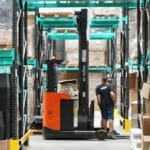
Automated Storage and Retrieval Systems: An Ecommerce Readiness Checklist
Automated storage and retrieval systems, or AS/RS, use equipment and controls to store and retrieve goods. The investment decision should begin with the operational constraint: storage density, access to inventory, retrieval capacity or another specific problem. Automation is not a substitute for reliable product and stock records.
Automated storage and retrieval systems, or AS/RS, use equipment and controls to store and retrieve goods. The investment decision should begin with the operational constraint: storage density, access to inventory, retrieval capacity or another specific problem. Automation is not a substitute for reliable product and stock records.
Identify the Work the System Must Handle
Begin with the inventory management framework and a SKU-level profile: dimensions, weight, container type, stock quantity and retrieval demand. Include peak inbound and outbound work, not just an average day.
Distinguish pallet, case and piece-handling needs. Ask the supplier which goods are unsuitable and what manual operations remain. A system suitable for one load type cannot be assumed suitable for the rest of your catalogue.
Compare the Full Flow, Not Just Storage Density
Include receiving, replenishment, retrieval, packing and dispatch in the capacity model. Faster retrieval can simply move a queue to packing. Request a test using representative orders and the planned operating hours.
How are storage and retrieval requests acknowledged?
What happens to a request if communication fails?
How are duplicate requests prevented?
Who reconciles stock after a machine or software interruption?
Use the WMS integration checklist to turn these questions into acceptance tests. Obtain equipment-specific operating and safety procedures from the supplier; do not improvise maintenance or access methods.
Build a Cost Case with Uncertainty
Include equipment, installation, building work if required, integration, training, maintenance, spares, support and the cost of interruption. Compare expected benefits at ordinary and peak volumes. Separate a supplier estimate from a measured pilot result.
Do not assume a universal two-to-four-year payback or a guaranteed reduction in labour. The useful result is a range based on documented assumptions, including a downside case with lower volume or longer downtime.
Decide What to Ask a Fulfillment Provider
If you outsource, focus on service capacity, inventory visibility and exception recovery rather than requesting a machine by name. Confirm whether any proposed automation is actually used for your stock and what happens when it is unavailable.
For a concrete manufacturer example of one AS/RS subtype, see the Kardex vertical lift module description. It explains tray-based goods-to-person operation; its product claims are not Skynera capabilities. Skynera use of AS/RS is not established by this article.