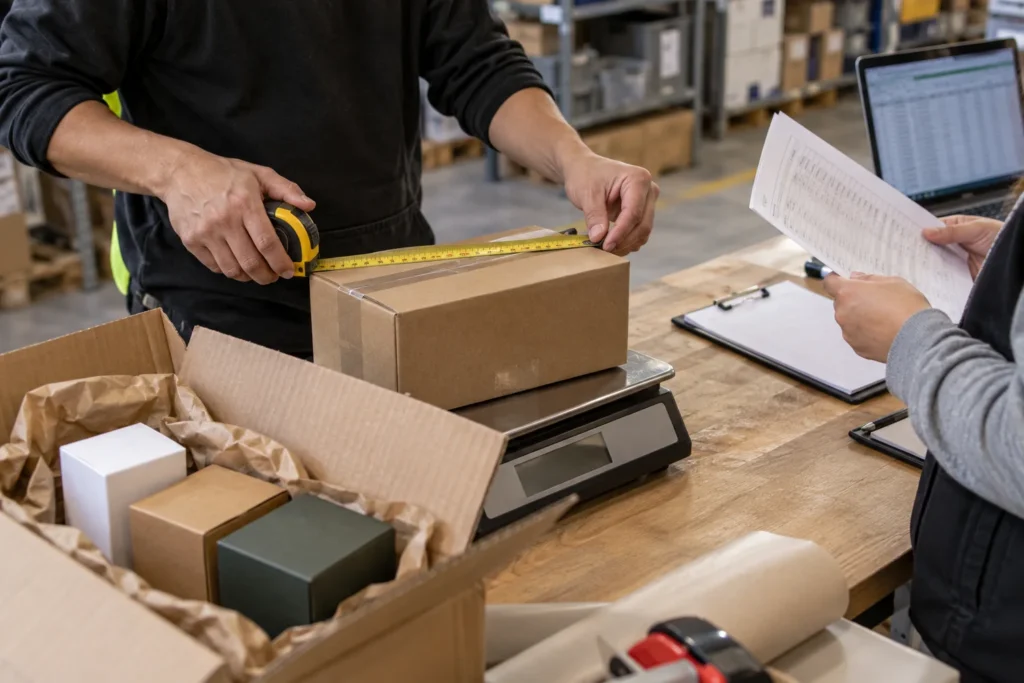
Integrating AI-driven sorting for returns processing
Estimated Reading Time: 4 minutes
Key takeaways
Quick wins and decisions you can apply:
- AI-driven returns processing improves efficiency.
- Automation reduces labor costs and speeds up refurbishment cycles.
- Integrating AI keeps customer satisfaction high amidst rising demand.
- Staff training is crucial for successful implementation.
- Choosing the right AI vendor is essential for seamless integration.
Table of contents
What’s changing right now
Currently, e-commerce fulfillment centers are facing unprecedented challenges. Many operators are grappling with a return rate that hovers around 20% or more for certain sectors. As customers increasingly expect hassle-free returns and fast refunds, the need for speed and efficiency is more critical than ever. Manual inspection processes, historically the mainstay, have proven slow and costly.
E-commerce fulfillment centers that utilize AI-driven returns processing can automate these inspection and sorting functions, drastically reducing turnaround times. Companies are recognizing that integrating these technologies not only keeps customer satisfaction high but also maintains profitability in an environment of rising demand and diminishing margins.
Operator checklist (step-by-step)
- Assess current returns processing workflow to identify bottlenecks.
- Research the AI solutions available for returns sorting and inspections.
- Evaluate vendor options focusing on scalability and user reviews.
- Develop a proposal to present to stakeholders detailing expected improvements and ROI.
- Implement a pilot program, ideally integrating with existing systems.
- Monitor the pilot closely, analyzing data on efficiency gains and cost reductions.
- Train staff on the new systems and practices to ensure a smooth transition.
- Gather feedback, tweak processes if necessary, and prepare for full-scale implementation.
Practical questions operators ask
What are the benefits of AI-driven returns processing?
AI-driven returns processing improves efficiency by automating the sorting and inspection of return items, reducing labor costs and speeding up refurbishment cycles. This technology can help fulfill the increasing demand for quicker resolutions in reverse logistics.
How can integration with existing systems be achieved?
Successful integration typically involves selecting AI solutions that offer compatibility with current warehouse management systems. Collaborate closely with IT teams during implementation to ensure seamless integration and minimal disruptions.
What challenges might we encounter during implementation?
Common challenges include initial resistance from staff accustomed to traditional processes, integration issues with existing software, and potential underestimation of time needed for training. Addressing these areas upfront can smooth the transition.
Real operational scenario
Consider an e-commerce fulfillment center currently manually inspecting 1,000 return items weekly. This process can take up to 20 hours, leading to significant delays in restocking and fulfilling refunds. By integrating an AI-driven sorting system, this facility reduced manual inspection time per item from approximately 1.2 minutes to just 30 seconds. Over a single week, the operational time dropped from 20 hours to only 5 hours, which represented not only a savings in labor costs but also allowed the company to reallocate resources to customer service initiatives.
Common mistakes
Many operators tend to underestimate the importance of staff training during the transition to AI-driven systems. A lack of proper understanding can lead to suboptimal use of new technologies, negating potential time and cost savings. Another mistake is neglecting to properly vet AI vendors for user-friendliness and compatibility with existing inventory systems, which can lead to unexpected integration issues.
Quick decision guide
If your return inspection process is time-consuming, implement AI sorting; if your labor costs are rising, consider AI as a cost-saving solution. If customer satisfaction is declining due to slow refunds, then prioritize AI-driven processing in your operations. If integration seems overwhelming, consult with tech vendors for support.
In an increasingly competitive e-commerce landscape, ai driven returns processing is not merely an option; it’s a necessity for fulfillment centers aiming to thrive. Enhanced operational efficiency, cost reductions, and improved customer experience are just a few of the transformative benefits that await those willing to embrace this technology head-on. Leveraging resources like smart inventory management and focusing on faster fulfillment operations can complement the effectiveness of AI systems, creating a holistic approach to modern reverse logistics.