Get a Quote

Fill the form below to receive a personalized consultancy by our expert team.

AI driven returns inspection process minimizes refurbishment

Streamlining Returns Inspection with AI-Driven Quality AssessmentEstimated Reading Time: 5 minutesKey takeawaysQuick wins and decisions you can apply:Implement AI solutions to automate returns inspections.Analyze return reasons to train AI effectively.Incorporate real-time monitoring to streamline processes.Ensure proper staff training for seamless transitions.Table of contentsWhat’s changing right nowOperator checklist (step-by-step)Practical questions operators askCommon mistakesQuick decision guideWhat’s changing …

Skynera Team
Skynera Team

We ensure reliable, accurate, and on-time fulfillment solutions designed to support your business growth

Share:

Streamlining Returns Inspection with AI-Driven Quality Assessment

Estimated Reading Time: 5 minutes

Key takeaways

Quick wins and decisions you can apply:

  • Implement AI solutions to automate returns inspections.
  • Analyze return reasons to train AI effectively.
  • Incorporate real-time monitoring to streamline processes.
  • Ensure proper staff training for seamless transitions.

Table of contents

What’s changing right now

Returns are escalating, and traditional methods of handling inspections are often labor-intensive and error-prone. Retailers, especially in e-commerce, are witnessing a significant uptick in the number of returns due to the ease of online shopping. This is compounded by the growing demand for quick turnaround times on refurbished goods to maintain profitability. Implementing AI solutions allows firms to automate these checks, ensuring better accuracy and faster processing while reducing overhead costs.

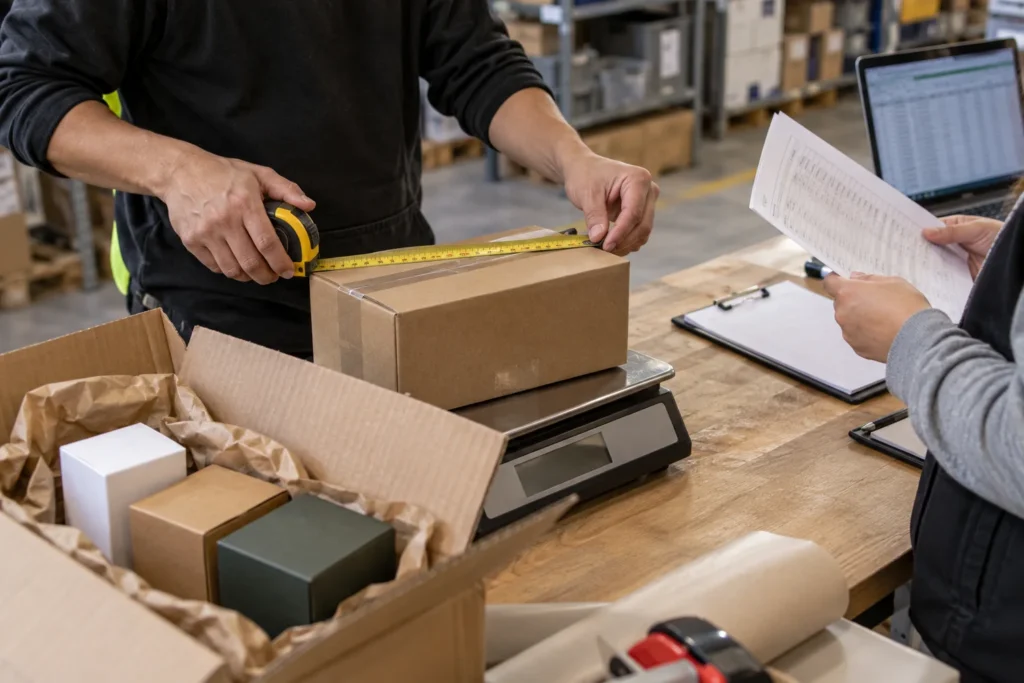
Consider a medium-sized e-commerce retailer specializing in electronics. Each returned item must undergo multiple manual checks, which could take several days. This delay not only affects inventory turnover but also can lead to a significant backlog, impacting customer satisfaction. Integrating AI into the returns process can streamline inspections, leading to quicker refurbishment and reintegration into stock.

Operator checklist (step-by-step)

  1. Identify key return reasons through data analysis to focus AI training.
  2. Integrate AI algorithms capable of recognizing product defects automatically.
  3. Set up real-time monitoring systems to track returns and inspection statuses.
  4. Train staff on new AI-driven processes to ensure seamless transitions.
  5. Review and adjust the AI models regularly based on feedback and emerging return trends.

Practical questions operators ask

How can AI reduce the time taken in the returns inspection process?

AI technologies can analyze returned items faster than human inspectors, dramatically cutting down the on-site inspection time and allowing quick decision-making for refurbishment.

What costs should I expect when implementing AI for returns inspections?

Initial costs can include software development, system integration, and potential training expenses. However, these should be weighed against the savings from reduced labor needs and faster processing times.

Can AI handle various product categories in returns?

Yes, AI can be trained with images and detailed specifications across different product categories, allowing it to adapt and recognize defects, damages, or missing parts in numerous types of returns.

Is it necessary to have a complete overhaul of my current systems?

Not necessarily. AI can often be integrated into existing quality control processes, allowing for a phased implementation that minimizes disruption.

What role does data play in optimizing the returns process?

Data is critical for training AI to recognize product conditions and determine future savings opportunities. Consistent data collection informs continuous improvement in inspection accuracy and process efficiency.

Common mistakes

Over-reliance on AI without sufficient oversight can lead to inaccuracies, especially if the AI isn’t properly trained. Ignoring the importance of human intervention during high-stakes inspections can also lead to costly errors. Many operators underestimate the necessary training time for staff, resulting in confusion and inefficiency during the transition period.

Quick decision guide

If your return volumes are increasing rapidly, then consider integrating AI to manage inspections more efficiently. If costs associated with refurbishment are spiraling, then deploying an automated system could help you cut these expenses significantly. If customer trust is diminishing due to slow return processing, then adopting an AI-driven inspection process can enhance speed and accuracy, leading to better customer experiences.

Incorporating solutions like real-time inventory control alongside streamlined order processing automation will provide a holistic approach to managing returns effectively. By staying ahead of the curve with AI and automation, e-commerce retailers and logistics operators can not only withstand the challenges posed by rising return volumes but also capitalize on them for future growth.

In today’s landscape, it’s not just about managing returns; it’s about transforming them into opportunities that reinforce customer trust and loyalty. Ensure that your operations are equipped for this strategic shift.

Skynera

Skynera