Streamlining Your E-Commerce Operations: Key Strategies for Efficient Order Fulfillment
Estimated reading time: 5 minutes
- Optimize inventory management for improved accuracy and efficiency.
- Enhance picking and packing processes to increase order fulfillment speed.
- Prepare for marketplace compliance to avoid penalties and maintain customer trust.
- Leverage technology for greater automation in logistics operations.
- Focus on customer satisfaction by streamlining your processes.
Table of Contents
- Introduction
- Optimizing Inventory Management
- Enhancing Picking and Packing Efficiency
- Preparing for Marketplace Compliance
- Leveraging Technology for Logistics Automation
- Conclusion
- FAQ
Introduction
In the fast-paced world of e-commerce, sellers often grapple with the challenges of meeting customer demands while maintaining cost efficiency. Whether you’re a DTC brand, an Amazon seller, or an entrepreneur venturing into cross-border shopping, the pressure to deliver products quickly and accurately is ever-present. This article will explore several key strategies to streamline your order fulfillment process, helping you gain a competitive edge in the market.
Optimizing Inventory Management
Inventory management is crucial to fulfilling orders effectively and efficiently. Here are several key practices to consider:
- Utilize a WMS (Warehouse Management System): Implementing a robust WMS can automate stock tracking, reducing errors and increasing visibility into inventory levels. This means quicker restocking and fewer stockouts.
- Adopt Just-In-Time Inventory: This strategy minimizes holding costs by receiving goods only as they are needed. For example, a small fashion retailer could order limited stock based on seasonal trends, avoiding surplus inventory.
- Perform Regular Audits: Frequent inventory checks help ensure accuracy. A DTC skincare brand, for instance, might conduct quarterly audits to eliminate discrepancies and keep track of their fast-moving products.
Enhancing Picking and Packing Efficiency
How efficiently you pick and pack orders directly impacts fulfillment speed. Consider these tips to improve operations:
- Implement Batch Picking: This involves picking multiple orders simultaneously. For example, if you run a bookstore, you could gather all orders for a specific title in one trip, saving time and labor costs.
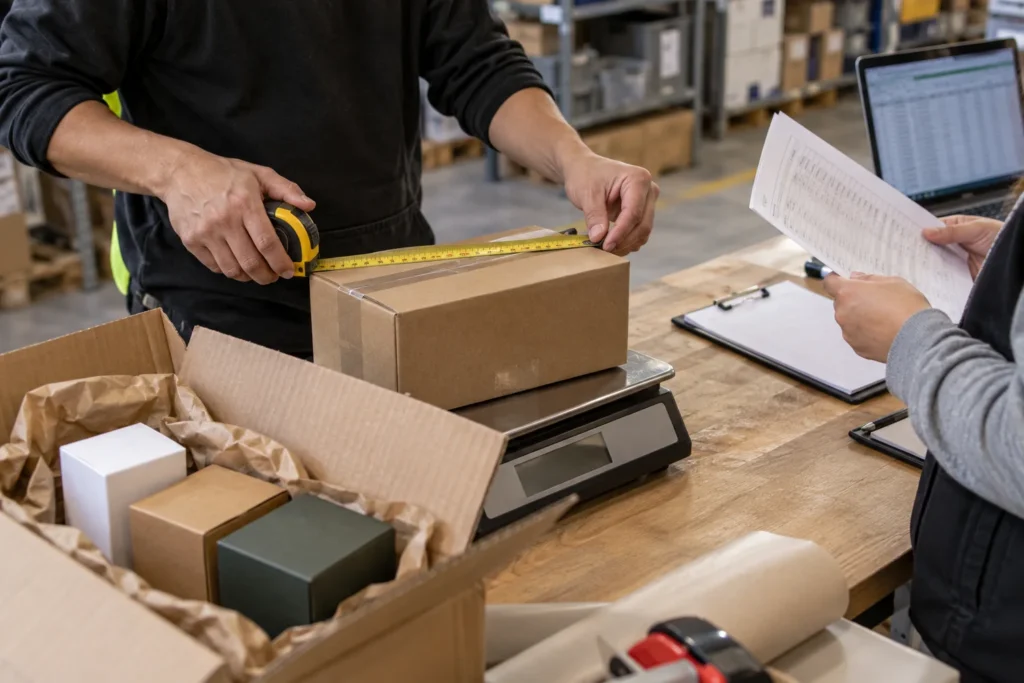
- Streamline Packing Stations: Organize packing areas with necessary supplies readily available to minimize movement. Clearly labeling boxes and using packing slips can speed up the process significantly.
- Train Staff Regularly: Continuous training on best practices helps staff become more proficient in picking and packing, leading to fewer mistakes and faster processing times.
Preparing for Marketplace Compliance
Different platforms like Amazon, Etsy, and Shopify have unique requirements for sellers. Here’s how you can prepare:
- Understand FBA/FBM Guidelines: Familiarize yourself with Amazon’s fulfillment centers’ requirements if you’re using Fulfillment by Amazon. This includes proper labeling and packaging for sent products.
- Stay Updated on Sales Tax Regulations: As a cross-border merchant, understand and comply with international taxes and duties to avoid penalties. This is essential for maintaining good standing in different markets.
- Unify Your Branding: Ensure that your product listings and packaging reflect a cohesive brand image. This not only meets marketplace requirements but also instills trust in your customers.
Leveraging Technology for Logistics Automation
Embracing technology can significantly enhance your fulfillment capabilities:
- Use Delivery Management Software: These tools can streamline shipment tracking and notifications, keeping customers informed and reducing inquiries. This is beneficial for sellers with a large customer base.
- Integrate with E-Commerce Platforms: Connecting your fulfillment software with marketplaces (like Shopify or Amazon) automates order processing, eliminating manual entry errors.
- Explore Robotics for Warehousing: For larger operations, investing in automated warehouse solutions can greatly increase speed and accuracy in order fulfillment.
Conclusion
Optimizing your order fulfillment process is essential for improving operational efficiency, reducing costs, and enhancing customer satisfaction. By focusing on inventory management, streamlining picking and packing, ensuring compliance with marketplace standards, and leveraging technology, you can set your e-commerce business up for success.
If you are looking to enhance your logistics operations further, consider exploring Skynera’s e-commerce fulfillment services to streamline your processes and elevate your customer experience.
FAQ
Order fulfillment directly impacts delivery speed, customer satisfaction, and repeat purchase rates. A reliable fulfillment process reduces errors, prevents delays, and helps brands build trust at scale.
You can lower costs by optimizing inventory levels, improving warehouse workflows, and negotiating better shipping rates. Automation and outsourcing to a 3PL like Skynera also eliminate unnecessary labor and storage expenses.
Inventory Management Systems (IMS) and Warehouse Management Systems (WMS) provide real-time tracking, automated stock updates, and demand forecasting. These tools minimize stockouts, prevent overstocking, and improve operational efficiency.